How Often Should You Service Your Aircon in Singapore?
The right aircon servicing cadence for Singapore's tropical climate. Coolbest Aircon explains when HDB, condo, and heavy-use units need a professional visit.
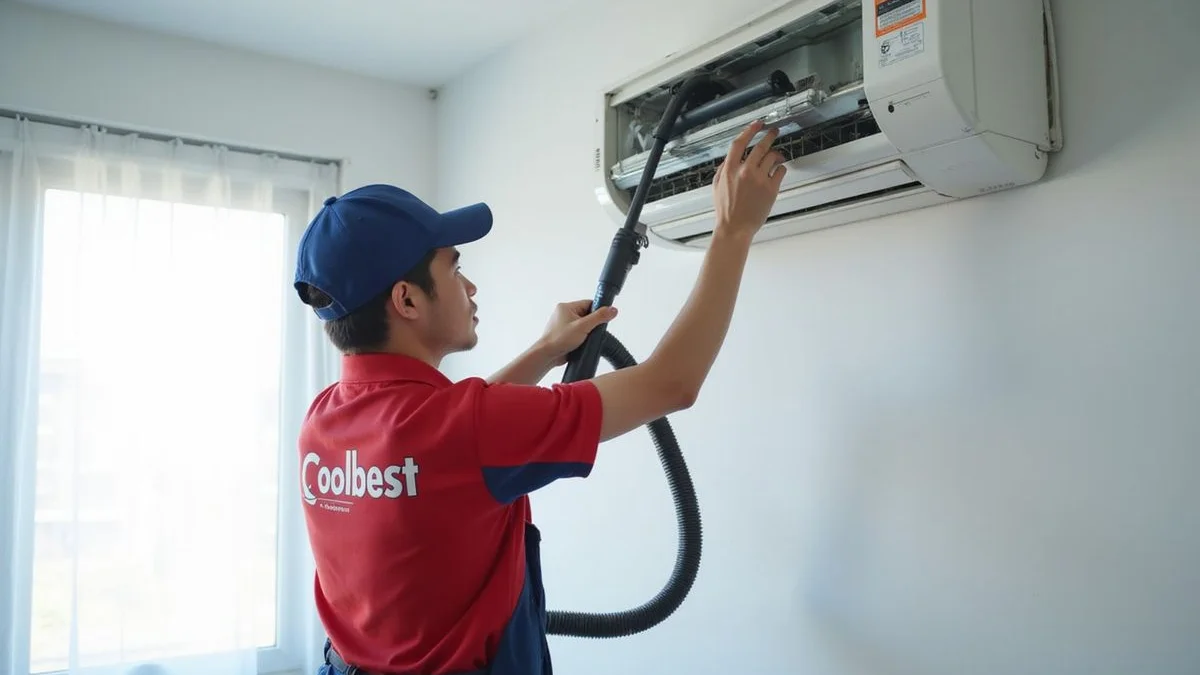
If you are searching for how often aircon service singapore is required, you are already ahead of most homeowners.
Our team at Coolbest Aircon Servicing frequently meets clients who only think about maintenance when their units stop blowing cold air. Waiting for a breakdown often leads to expensive repairs and sleepless nights.
We founded Coolbest with a mission to deliver reliable, high-quality cooling solutions to communities across Singapore at affordable prices.
The timeline for servicing in this tropical climate differs significantly from overseas manufacturer manuals.
The short answer to how often aircon service singapore needs
The exact frequency relies entirely on your daily operating hours. We categorise cooling needs into three distinct bands to keep your systems running smoothly.
- Heavy daily use (living room, 8+ hours per day, shared living spaces): every 3 months
- Normal use (mixed bedroom and living, 4-8 hours per day): every 4-6 months
- Light use (bedroom-only, 4 hours or less per night): every 6 months
If your unit is over five years old, shift one band shorter. Our technicians strongly advise booking immediately if there is visible mould, a musty smell, or water dripping. These symptoms require urgent attention regardless of when your last appointment took place.
A 2024 study by the Energy Market Authority of Singapore showed that households performing consistent maintenance enjoyed a 15 to 20 percent reduction in energy usage.
Why Singapore is different
Three distinct factors make this island much harder on air conditioners than the climates these units were originally designed for. Our daily battle against the environment requires a specific defensive strategy.
Extreme Year-Round Humidity
Singapore averages 80 to 95 percent relative humidity throughout the entire year. We see damp coils grow biofilm rapidly under these wet conditions. These slimy bacterial colonies eat away at metal components and block critical airflow.
A cooling coil in Germany stays dry between service visits. A coil in Jurong never truly dries.
Intrusive Urban Dust
Construction projects and road particulates constantly pull through your unit’s filter. Our technicians observe filters loading up with dirt much faster in HDB blocks near active development sites.
Fine dust mixes with trapped moisture to create a thick sludge inside the machine. This dense sludge eventually clogs the drainage pipes and causes sudden indoor water leaks.
High Daily Utilisation
The average local family runs their cooling units far more hours per day than households in temperate climates. We know that more running hours equal more condensation cycles and heavier wear on the compressor.
Air conditioning alone accounts for 40 to 60 percent of a typical Singaporean household’s electricity bill. Keeping your system clean ensures it does not work harder than necessary to cool the room.
How to tell your cadence is wrong
If you are on the correct schedule, your unit should cool consistently, smell neutral, and produce no visible drips. We recommend watching for specific warning signs that indicate you have stretched the timeline too far.
Performance and Comfort Drops
Cooling capacity changes are a major indicator of trouble. Our repair logs show these specific red flags indicate immediate attention is required:
- Cooling has dropped compared to six months ago (especially noticeable in the last hour before bed).
- A faint sour or musty smell in the first 30 seconds after startup.
- Your electricity bill crept up without a lifestyle change.
- The air feels heavier or less fresh than it used to.
These symptoms point directly to mould growth on the blower wheel or restricted airflow.
Financial and Efficiency Impacts
Rising costs often point to dirty coils making your system work harder. We urge residents to monitor their SP Utilities app regularly for unusual spikes.
| Financial Factor | Impact of Delayed Maintenance |
|---|---|
| SP Group Tariff | 27.27 cents per kWh (Q2 2026 rates multiply inefficiency costs) |
| Energy Consumption | Dirty filters can increase usage by up to 20 percent |
| Repair Risk | Clogged drainage leads to costly water damage and component failure |
None of these signs are immediate emergencies. We strongly advise scheduling your next service sooner rather than waiting for the calendar.
What per-unit pricing means for your planning
Coolbest charges per indoor unit, rather than implementing a flat fee per visit. Our pricing structure means a three-unit HDB flat costs the exact same to service whether the technician visits once for all three or comes multiple times.
Most families bundle all their units into one visit on a quarterly or semi-annual cycle.
Structuring Your Maintenance Costs
For large homes with six or more units, a maintenance contract usually makes more financial sense than ad-hoc bookings. We design these contracts to streamline scheduling and lock in predictable rates. Organising all units into a single reliable schedule removes the mental burden of tracking different timelines.
Ready to get on a regular cadence? We invite you to WhatsApp a photo of your units and your postcode to our dispatch desk today.
A qualified expert will recommend the right cycle based on what they see, rather than pushing the most expensive option. Our team will ensure you know exactly how often aircon service singapore properties need to save money and stay comfortable.
Questions Answered
Frequently Asked Questions
How often should I service my aircon in Singapore?
Every 3 months for heavy daily use (8+ hours a day), every 6 months for light or bedroom-only use. Singapore's tropical humidity and urban dust mean servicing cadence matters more here than in temperate climates — biofilm builds faster on damp coils.
Does HDB aircon need more frequent servicing than condo aircon?
Usage pattern matters more than housing type. A heavily-used HDB unit and a heavily-used condo unit both need servicing every 3 months. The bigger variable is how many hours per day the unit runs, not what kind of building it's in.
What happens if I skip regular servicing?
Coil fouling and drainage blockage compound. A skipped year usually means a chemical overhaul is needed instead of a standard service — which costs more, takes longer, and risks bigger problems like water leaks and mould in your living space.
 LICENSED
 About the Author
Mr Chong
Founder & Licensed HVAC Technician, Coolbest Aircon
Mr Chong founded Coolbest Aircon in Jurong after more than 18 years in Singapore’s HVAC industry. He started as an apprentice technician on HDB rooftops, moved into commercial chiller work, then built Coolbest to offer honest, diagnostics-first aircon servicing across the West. He holds a BCA-licensed contractor registration, NEA-certified refrigerant handler status, and personally trains every technician on the team. Mr Chong writes these guides to answer the same questions he hears on every job call.
Related Guides
Signs Your Aircon Needs Professional Servicing
Weak airflow, rising bills, musty smell, or water marks? These are the signs your aircon needs professional servicing before the problem becomes a repair.
Read guide →What's Included in a Standard Aircon Servicing?
Exactly what Coolbest Aircon's S$50–S$115 per-unit servicing covers in Singapore: filter wash, coil wipe, drainage flush, blower, vacuuming. No surprises.
Read guide →DIY Aircon Filter Cleaning vs Professional Servicing
DIY filter rinsing has a place — but it can't reach the coil, blower, or drainage pipe. Here's what only professional aircon servicing can do in Singapore.
Read guide →Ready for cool, clean air — today?
Chat with Coolbest on WhatsApp for same-day aircon service in the West.