Noisy Aircon: Rattling, Humming, and Buzzing Sounds Explained
Aircon rattling, humming, or buzzing? What each sound usually means: loose part, capacitor/fan motor, electrical fault. When it's compressor-risk level.
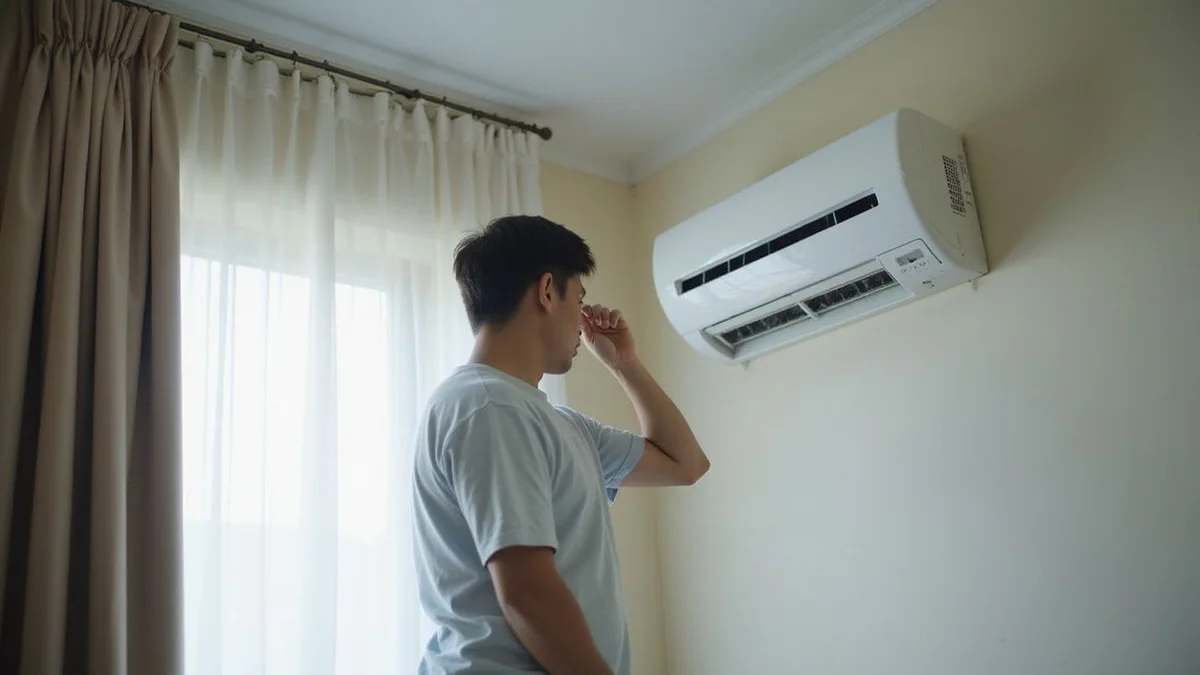
Our team at Coolbest Aircon Servicing was founded to deliver reliable, high-quality cooling solutions to communities across Singapore at affordable prices. Hearing a noisy aircon rattling sound or a loud hum often makes property owners wonder if a severe problem is developing. When the noise is mechanical or electrical rather than a loose cover, our aircon repair service team can diagnose the root cause on-site before damage spreads. Sometimes, the issue is merely a loose panel that tightens with a single screw.
Other times, the noise indicates a compressor is failing.
We frequently use the sound itself to identify the exact cause of the fault.
The specific noise provides the first critical clue for an accurate repair plan.
The sound-to-cause map for a noisy aircon rattling
Mapping the specific noise to its mechanical source is the fastest way to diagnose an air conditioning fault. This section categorises every common noise you might hear from your unit in Singapore.
Rattling: a dry, hollow, irregular sound
A rattling noise usually means a physical component is loose near the blower or fan coil cover. This dry, irregular sound often stems from debris trapped inside the condenser.
Our technicians frequently find small stones, leaves, or even twigs inside the outdoor units of Singaporean properties. The tropical environment makes external units highly vulnerable to accumulating such debris.
Usually minor:
- Loose front cover panel.
- Filter frame misaligned after cleaning.
- Screws on the fan coil bracket backed out slightly.
- Objects dropped into the unit, such as coins, pens, or small toys.
Usually serious:
- Fan coil bearing worn out.
- Blower wheel physically damaged.
- Compressor mounting rubber degraded at the outdoor unit.
We recommend a quick visual inspection before booking a service call. Turn off the unit entirely. Open the front cover to check that the filter, panel, and screws are seated correctly.
Gently shake the indoor unit to feel for obvious loose parts. If you can feel something loose inside, stop and book a repair immediately.
Humming: a steady, low-frequency tone
A new or exceptionally loud humming noise typically indicates that a compressor or fan motor is struggling to receive electrical power. Faint constant humming is normal, as it is just the compressor and fan motor running.
Our 2026 repair logs show that a failing start capacitor is the most frequent culprit for this issue. The capacitor acts like a battery, providing the necessary electrical jolt to start the compressor. When this component degrades, the compressor tries to start, fails, and then hums for a few seconds.
Common causes:
- Capacitor beginning to fail.
- Fan motor bearing wear.
- Mounting bracket resonance.
We treat a prolonged hum as an urgent warning sign. If the outdoor unit hums for over 30 seconds during every startup attempt without the fan spinning, the compressor has perhaps one to two weeks before total failure. In Singapore, replacing a blown capacitor is highly affordable, typically costing between S$120 and S$250.
Book an urgent repair to avoid a much costlier compressor replacement.
Buzzing: a higher-frequency electrical sound
A buzzing noise is a definitive warning sign of an electrical fault that requires immediate professional attention. You must always treat this higher-frequency sound seriously.
We classify buzzing as a severe fire hazard risk if left ignored. Because Singapore mandates energy-saving inverter air conditioners, these modern units rely on complex electronic controls. Failing Printed Circuit Boards (PCBs) in inverter models will often emit a distinct electronic buzz before shutting down.
Causes ranked by severity:
- Contactor chatter: The electrical relay switching the outdoor unit is failing to close cleanly, meaning it will burn out soon.
- Capacitor swelling: The capacitor is about to fail, and the compressor will follow if not replaced.
- Loose wiring: A connection is arcing somewhere inside the chassis.
- Transformer or PCB failure: The electronic control module is struggling to process power.
We strictly advise against any DIY troubleshooting for buzzing sounds. Switch off the power at the main isolator switch immediately. Complete condenser PCB replacements in 2026 range from S$480 to S$600, so catching the electrical fault early saves money.
Book an urgent repair straight away.
Grinding or scraping: metal-on-metal
A metal-on-metal grinding sound almost always means a rotating mechanical part is physically failing and requires same-day intervention. This includes the fan motor bearing, compressor internals, or blower wheel.
We warn property owners that continuing to run a grinding unit will quickly turn a basic repair into a full replacement. Intense friction destroys the surrounding internal casing. Depending on the brand and whether the part is new or refurbished, a fan motor replacement in Singapore costs between S$150 and S$400.
Switch off the air conditioner and book a same-day service slot.
Clicking: rhythmic, repeated
A clicking sound is usually harmless and simply indicates the thermostat cycling or plastic expanding due to temperature changes. It is a common operational noise for major aircon brands.
Our maintenance teams often hear this sound when the internal flap position adjusts during operation startup. The noise also occurs when the refrigerant pressure equalises.
Common causes for persistent clicking:
- Flap position adjusting during startup.
- Refrigerant pressure equalising.
- Occasional contactor relay clicks.
If the clicking is a brand new noise and remains persistent, have it checked during the next scheduled service visit.
Hissing or bubbling
A hissing or bubbling noise is the primary indicator of a refrigerant leak inside your cooling system. This means the chemical gas is escaping from a cracked copper pipe or faulty valve.
We always conduct a pressure test to locate the exact source of a hissing leak. The cost for sealing the leak and topping up modern R32 refrigerant in Singapore currently ranges from S$150 to S$250. See our aircon not cold guide for a full diagnosis.
Severity tiers: what to do
Categorising your aircon noise by severity helps you decide whether to request an emergency callout or wait for routine servicing. The following tiers outline the exact urgency of common acoustic symptoms.
Tier 1: Minor, DIY or wait
Tier 1 sounds are minor operational quirks that do not affect cooling performance and can wait for regular maintenance. These noises are rarely structural.
- Occasional rattle from the front panel.
- Faint click at thermostat cycling.
- Subtle hum that has been consistent for years.
We suggest simply keeping a record of these minor sounds. Mention the specific noise to the technician at your next servicing appointment.
Tier 2: Book within 1 to 2 weeks
Tier 2 noises indicate a developing fault that needs professional assessment before it degrades further. Your unit can continue running in the meantime if the cooling output remains unaffected.
- New humming that is louder than before.
- Persistent rattle from inside the fan coil.
- Intermittent buzzing.
Our support team can arrange a standard repair slot via WhatsApp for these issues. Monitoring the system closely during this period is a smart practice.
Tier 3: Book within 1 to 2 days
Tier 3 sounds represent a high risk of imminent mechanical failure. You should keep the unit switched off most of the time until a technician arrives.
- Buzzing from the outdoor unit.
- New grinding or scraping.
- Hum on startup that lasts 10 seconds or more.
We prioritise same-day or next-day slots for all Tier 3 complaints. Running the system in this state guarantees secondary component damage.
Tier 4: Switch off immediately
Tier 4 sounds are critical emergencies involving severe mechanical destruction or electrical fire risks. Do not attempt to restart the air conditioner under any circumstances.
- Grinding or scraping sounds.
- Sudden very loud buzz that trips the circuit breaker.
- Smoke, burning smell, or visible sparks.
We urge you to flip the electrical isolator to the off position immediately. Call a professional technician directly for emergency assistance.
What the diagnosis looks like
A professional noise diagnosis follows a strict, step-by-step physical and electrical inspection. This ensures the correct part is repaired or replaced without guesswork.
We follow a comprehensive checklist when you book Coolbest Aircon Servicing for a noise complaint. The process begins the moment you describe the sound and its initial onset.
- Ask you to describe the sound and when it started.
- Listen to the system with the unit running while you watch.
- Probe each potential source with a stethoscope or sound meter.
- Check visible mechanical components for heavy wear.
- Perform an electrical check at the capacitor, contactor, and PCB.
- Provide a final diagnosis and a transparent quote.
Our standard sound diagnosis takes roughly 30 to 45 minutes to complete. The fix varies wildly depending on the root cause.
| Diagnosis Result | Typical Fix Required | Estimated 2026 Cost (Singapore) |
|---|---|---|
| Loose internal components | Tighten panels or screws | Often free during inspection |
| Failing start capacitor | Full capacitor replacement | S$120 to S$250 with parts |
| Degraded mechanical bearing | Fan motor replacement | S$150 to S$400 based on brand |
| Shorted inverter circuit | Main PCB replacement | S$350 to S$600 with parts |
The video tip
Recording the noise on your phone is the most effective way to fast-track your repair service. A clear audio sample allows technicians to prepare the correct spare parts before they even arrive.
We highly recommend capturing a 20-second video with your camera angled directly near the sound source. Place the phone near the indoor vent for indoor noises, or next to the condenser casing for outdoor noises. This simple step often leads to a much faster on-site fix.
Our dispatch team uses these videos to secure the quickest route for a same-day slot. Simply WhatsApp the video file along with your postal code to initiate the booking process.
Conclusion
Correctly identifying the source of a noisy aircon rattling is the first step for preventing expensive breakdowns and ensuring a cool environment. Taking swift action protects your property and your wallet.
We encourage property owners across Singapore to stay vigilant and listen for these warning signs. Regular maintenance catches most of these issues before they turn into major emergencies.
Book a diagnostic check today if your unit is making an unfamiliar noise.
Part of the Aircon Repair guide hub
← Back to the main Aircon Repair pageQuestions Answered
Frequently Asked Questions
Is a humming aircon dangerous?
Low constant humming (compressor and fan motor noise) is normal background. A new, louder, or intermittent hum usually signals a capacitor or fan motor issue and should be checked within a week or two before it escalates.
What does buzzing mean on my aircon?
Buzzing is typically electrical — loose wiring, a failing contactor, or a capacitor about to fail. Book service quickly. Electrical faults tend to escalate, and one that starts as buzzing can end as a tripped circuit or burnt-out component.
Can I ignore occasional rattling?
Occasional rattling from a plastic cover that's only loose is low-risk — you can tighten the screws yourself. Persistent rattling from inside the fan coil means something is loose near the blower and needs attention before it damages the fan.
 LICENSED
 About the Author
Mr Chong
Founder & Licensed HVAC Technician, Coolbest Aircon
Mr Chong founded Coolbest Aircon in Jurong after more than 18 years in Singapore’s HVAC industry. He started as an apprentice technician on HDB rooftops, moved into commercial chiller work, then built Coolbest to offer honest, diagnostics-first aircon servicing across the West. He holds a BCA-licensed contractor registration, NEA-certified refrigerant handler status, and personally trains every technician on the team. Mr Chong writes these guides to answer the same questions he hears on every job call.
Related Guides
Aircon Not Cold: Why Your Aircon Is Blowing Warm Air
Aircon blowing warm air in Singapore? The 5 most common causes: dirty filter, frozen coil, low refrigerant, thermostat, compressor. Quick DIY checks before booking.
Read guide →Aircon Blinking Light and Error Codes Explained
Daikin, Mitsubishi, Panasonic, LG aircon blinking lights and error codes. How to read blink patterns, what's user-fixable vs service-required.
Read guide →Aircon Leaking Water: Causes and Fixes
Aircon dripping water in your HDB or condo? The 4 most common causes: blocked drainage, dirty evaporator, installation tilt, coil ice thaw. Same-day repair available.
Read guide →Ready for cool, clean air — today?
Chat with Coolbest on WhatsApp for same-day aircon service in the West.