Smelly Aircon: Removing Bad Odours
Mouldy, sour, or burning aircon smell? What each odour means for your Singapore home and whether you need chemical wash or urgent repair.
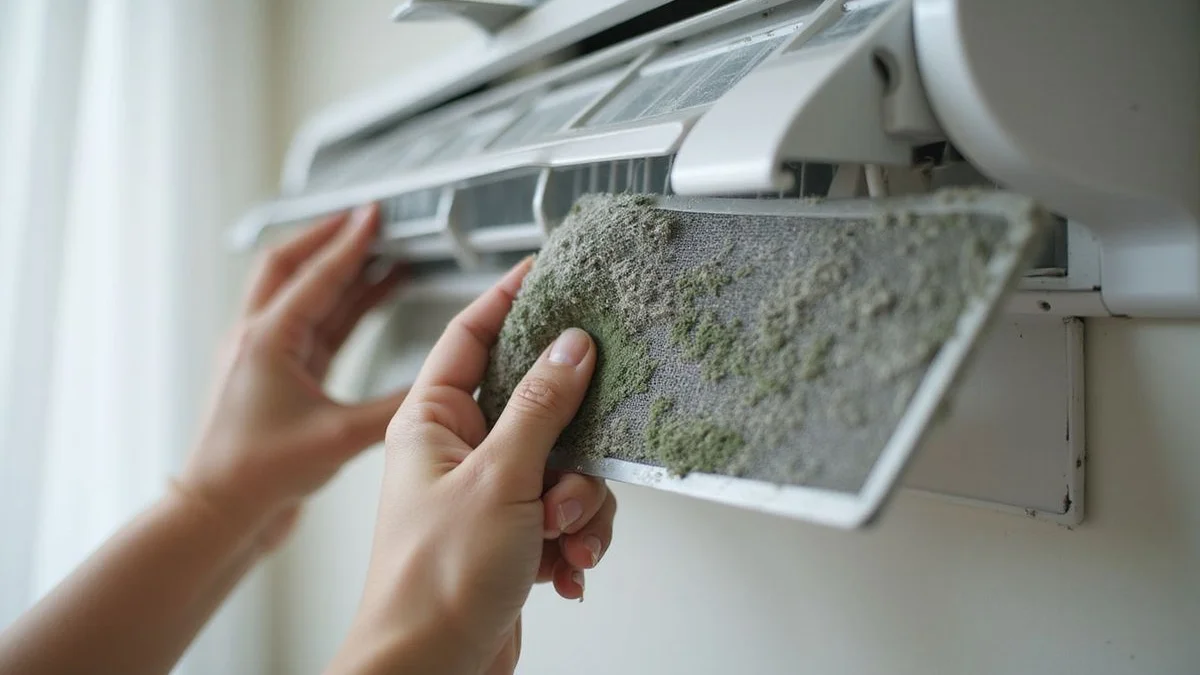
Your aircon smells different, and that distinct scent is actually a crucial diagnostic tool. Identifying the exact type of smelly aircon odor helps pinpoint the specific mechanical or biological fault inside your cooling system. Getting this diagnosis right saves you from booking the incorrect service.
We know that poor indoor air quality directly impacts your daily comfort and health. The Singapore SS554 Code of Practice for Indoor Air Quality strictly emphasizes the dangers of circulating airborne pollutants. Ignoring a foul scent allows mould spores and volatile compounds to multiply in your enclosed spaces.
This comprehensive guide reveals the exact professional fix required for every common scent, helping you restore fresh air to your space permanently.
Match your smell to the cause
Identifying the specific cause of your smelly aircon odor is the critical first step in resolving the issue. Different scents indicate completely different mechanical or biological failures.
Mouldy or musty smell
A mouldy or musty smell indicates fungi and biofilm are multiplying on your evaporator coil, blower wheel, or drainage tray. You need a professional chemical wash to kill this established root cause.
Our technicians frequently encounter this exact issue in Singapore because local ambient humidity regularly exceeds 80 percent. This constant tropical moisture creates an ideal dark and damp environment inside a running aircon. Rapid microbial growth develops faster here than in drier climates.
Data from 2025 shows the Housing and Development Board (HDB) handled approximately 240 complaints specifically regarding mould caused by aircon condensation. Routine standard servicing merely wipes the surface and fails to eliminate the mycelium growing deep inside your components.
| Category | Professional Assessment |
|---|---|
| Scent Profile | Like wet cardboard, an old book, or a damp towel left folded. |
| Root Cause | Biofilm and fungal colonies thriving inside the warm unit. |
| Required Fix | Chemical wash to penetrate and destroy the fungal roots. See what is an aircon chemical wash. Average Singapore costs range from SGD 80 to SGD 150 per unit. |
| Urgency Level | High priority, though not an immediate emergency. Spores circulate every time the unit runs. |
We advise households with children, asthmatics, or anyone suffering from eczema to prioritize this treatment. Breathing in active spores daily compromises your respiratory health.
Sour or vinegar smell
A sharp, sour, or vinegar smell points to a severe bacterial colony producing acidic waste inside your system. This advanced contamination requires a thorough chemical wash to strip the biofilm from your internal hardware.
This acidic scent often resembles old gym clothes and typically develops alongside existing mould colonies. The distinct sour profile means the bacterial biofilm is already well-established within the drainage system.
We treat this condition using the same aggressive chemical methods required for heavy mould infestations. These acidic byproducts can slowly corrode your internal copper coils if left untreated.
| Category | Professional Assessment |
|---|---|
| Scent Profile | Sharp, acidic, or reminiscent of unwashed gym clothes. |
| Root Cause | Specific bacterial colonies releasing acidic waste materials. |
| Required Fix | Chemical wash to dissolve the hardened biofilm layers. |
| Urgency Level | High priority. Indicates a significant and active bacterial load. |
Burning or electrical smell
An acrid, plastic-burning odour is a critical warning sign that an electrical component is overheating or melting. Switch off the unit at the main isolator immediately and schedule an urgent repair.
We take electrical odours extremely seriously due to the high risk of property damage. A 2025 report from the Singapore Civil Defence Force (SCDF) stated that electrical fires rose by 8.3 percent in the previous year, reaching 299 cases. Many of these incidents originated from faulty appliances and poor wiring connections.
The source could be a failing capacitor, degrading motor winding insulation, arcing wires, or an overheating printed circuit board (PCB).
| Category | Professional Assessment |
|---|---|
| Scent Profile | Acrid smoke, melting plastic, or hot electronics. |
| Root Cause | Electrical components failing, arcing, or actively overheating. |
| Required Fix | Immediate power shutdown and professional diagnostic repair. |
| Urgency Level | Extreme emergency. Never run an aircon emitting this smell. |
Dusty smell
A light, dusty smell that clears within two minutes of startup usually means accumulated dust sits on your filter and coil. Start with a simple DIY filter rinse, and book standard servicing if the scent persists.
Our service logs show this is incredibly common in units left turned off for several weeks. Holiday absences or unused guest bedrooms allow dry particles to settle undisturbed on the fan components.
| Category | Professional Assessment |
|---|---|
| Scent Profile | Light and dry, like an old attic or unused cupboard. |
| Root Cause | Settled dust blown into the room upon initial fan startup. |
| Required Fix | DIY filter cleaning first, followed by standard servicing if needed. |
| Urgency Level | Non-urgent. Address this during your next scheduled maintenance. |
Cigarette / smoke smell from unit that doesn’t get smoked near
This stale scent occurs when nicotine tar from a previous occupant remains trapped inside the filter, coil, and blower wheel. A chemical wash, and potentially an outdoor unit treatment, is required to dissolve this stubborn residue.
This sticky tar continuously re-emits a foul odour into your clean room every time the compressor runs. Nicotine contains strong volatile organic compounds that bond tightly to cold metal surfaces.
Our technicians frequently perform double chemical treatments to fully eradicate heavy nicotine stains in resale homes.
| Category | Professional Assessment |
|---|---|
| Scent Profile | Stale cigarette smoke in a non-smoking household. |
| Root Cause | Previous heavy smoking near the return air vents. |
| Required Fix | Intensive chemical wash, occasionally requiring a repeated application. |
| Urgency Level | Moderate. Highly recommended before moving into a newly purchased property. |
Cooking smell lingering longer than usual
When cooking odours take hours to clear, your aircon filter and coil are completely saturated with grease aerosols. A chemical wash is mandatory because surface wiping cannot break down this sticky, oil-based coating.
Residents often notice this issue when the unit starts recirculating food smells instead of filtering them out. This greasy barrier severely reduces the cooling efficiency of your system.
We recommend regular deep cleaning for units situated near open-concept kitchens to prevent this specific buildup.
| Category | Professional Assessment |
|---|---|
| Scent Profile | Lingering food odours that take hours to dissipate. |
| Root Cause | Coil and filter saturated with aerosolized cooking grease. |
| Required Fix | Chemical wash to dissolve oil-based contaminants. |
| Urgency Level | Low emergency, but high priority for restoring cooling efficiency. |
What NOT to do
Masking a smelly aircon odor or applying incorrect DIY methods will accelerate internal damage and worsen your air quality. Avoid consumer chemical sprays and prioritize proper mechanical extraction.
Don’t spray air freshener
Spraying air freshener only masks the bad scent while the biological biofilm continues to multiply inside your unit. You will smell the problem less but inhale significantly more circulating spores.
Our experts strongly advise against using synthetic fragrances near your return vents. These products introduce volatile organic compounds into your enclosed rooms. The National Environment Agency (NEA) notes that high indoor chemical levels can trigger headaches and respiratory distress.
Don’t buy “aircon freshener” consumer sprays
Store-bought consumer sprays act as weak disinfectants that fail to penetrate established biofilm on your cooling coils. Many of these aerosol cans contain heavy oils that stick to the metal and attract more dirt.
We constantly see the negative aftermath of these products during our maintenance visits. The sticky residue left behind creates a perfect trap for dust and new fungal growth. Applying unapproved chemical mixtures can even void your manufacturer warranty.
Here are the primary risks of using consumer sprays:
- They fail to reach the deep drainage tray where bacteria thrive.
- The oily residue acts as a magnet for airborne dust particles.
- They provide a false sense of security while mould continues to grow.
- Chemical cross-reactions can degrade internal plastic components.
Don’t just rinse the filter and hope
Rinsing the filter effectively cures a basic dust smell, but it will never eliminate mouldy or sour odours. The biological growth causing severe scents lives much deeper inside the unit.
Note that the filter only captures large airborne particles. The damp evaporator coil behind it is where the actual fungal colonies take root and multiply.
“A spotless filter cannot stop foul odours if the coil directly behind it is covered in thick mould.”
Don’t ignore a burning smell
You must never ignore an electrical or burning smell, as it indicates an immediate fire risk within your system. Switch off the unit at the main breaker instantly and book a same-day diagnostic service.
Our safety protocol dictates that electrical odours require total unit shutdown. SCDF statistics confirm that faulty household appliances remain a persistent cause of residential fires. Running a compromised fan coil unit drastically increases the chance of a secondary fire spreading to your room.
What our service visit looks like for a smell complaint
Our technicians arrive fully prepared to diagnose the precise root cause of your aircon odour through a systematic physical inspection. The assessment verifies the scent, checks internal components, and results in a targeted, cost-effective solution recommendation.
We at Coolbest Aircon Servicing built our reputation on honest, transparent diagnostics. You will never pay for a chemical wash if a simple filter cleaning will solve the issue. The inspection process starts the moment we activate your system.
The standard operating procedure for odour complaints includes:
- Asking you to describe the smell character and when it first started.
- Running the unit to sample the circulating air ourselves.
- Removing the front cover to inspect the physical state of the filters.
- Checking the visible evaporator coil through the main vent opening.
- Examining the drainage tray for stagnant water without full dismantling.
- Recommending standard servicing, a chemical wash, or an urgent repair.
If our team arrives expecting to perform a heavy chemical wash but discovers a minor dust issue, we will immediately downgrade the service scope. This works in reverse as well, ensuring you always get the correct intervention.
The indoor air quality case for acting quickly
Eradicating the source of a foul aircon odour directly improves your home’s indoor air quality and safeguards your family’s health. Taking swift action stops the continuous circulation of harmful mould spores and bacterial waste.
We cannot make specific medical claims, but 18 years of field experience has shown us a clear pattern. Hundreds of customers have reported that their child’s chronic cough improved, morning congestion stopped, and sleep quality increased immediately after a chemical wash.
“Clean indoor environments drastically reduce symptoms of sick building syndrome, emphasizing the need for prompt intervention.”
This positive change is not magic. A mouldy aircon blowing concentrated spores through a sealed bedroom acts as a constant biological irritant.
Removing this daily exposure is a highly reasonable and effective health intervention. A recent Harvard University study highlighted that well-ventilated, clean indoor environments drastically improve cognitive function and reduce symptoms of sick building syndrome.
Book the right service
Send us a WhatsApp message detailing your specific smelly aircon odor and how long it has been bothering you. The correct scope of work will be recommended instantly, allowing us to secure your preferred appointment slot.
Our experienced team is ready to restore your cooling system to peak, odour-free performance.
Delaying maintenance only allows minor contaminations to grow into expensive repairs. Contact us today to ensure your residential or commercial space remains comfortable, safe, and fresh.
Part of the Aircon Repair guide hub
← Back to the main Aircon Repair pageQuestions Answered
Frequently Asked Questions
Why does my aircon smell mouldy?
Biofilm — bacterial and fungal colonies — growing on the coil and inside the blower wheel. Standard servicing won't fully remove it because the biofilm is in places surface cleaning can't reach. A chemical wash is needed.
Can a smelly aircon make me sick?
A mouldy aircon can aggravate allergies, eczema, and respiratory issues, especially in children. Burning or electrical smells can indicate actual fire risk — switch off immediately. Dusty smells are usually harmless and clear with a filter rinse.
Will air freshener mask the problem?
Temporarily, yes — but the biofilm keeps producing odour and is also being circulated as spores through your living space. Air freshener makes the situation worse because it hides the warning signal that something actually needs cleaning.
 LICENSED
 About the Author
Mr Chong
Founder & Licensed HVAC Technician, Coolbest Aircon
Mr Chong founded Coolbest Aircon in Jurong after more than 18 years in Singapore’s HVAC industry. He started as an apprentice technician on HDB rooftops, moved into commercial chiller work, then built Coolbest to offer honest, diagnostics-first aircon servicing across the West. He holds a BCA-licensed contractor registration, NEA-certified refrigerant handler status, and personally trains every technician on the team. Mr Chong writes these guides to answer the same questions he hears on every job call.
Related Guides
Signs Your Aircon Needs a Chemical Wash
Mouldy smell, slime at the drainage, black spots on the blower, weak cooling after normal servicing — the symptoms that mean chemical wash, not a regular service.
Read guide →What Is an Aircon Chemical Wash?
Aircon chemical wash explained: dismantle, soak in cleaning solution, high-pressure jet, reassemble. When Singapore homes need it and what to expect.
Read guide →Aircon Not Cold: Why Your Aircon Is Blowing Warm Air
Aircon blowing warm air in Singapore? The 5 most common causes: dirty filter, frozen coil, low refrigerant, thermostat, compressor. Quick DIY checks before booking.
Read guide →Ready for cool, clean air — today?
Chat with Coolbest on WhatsApp for same-day aircon service in the West.