What Is an Aircon Chemical Wash?
Aircon chemical wash explained: dismantle, soak in cleaning solution, high-pressure jet, reassemble. When Singapore homes need it and what to expect.
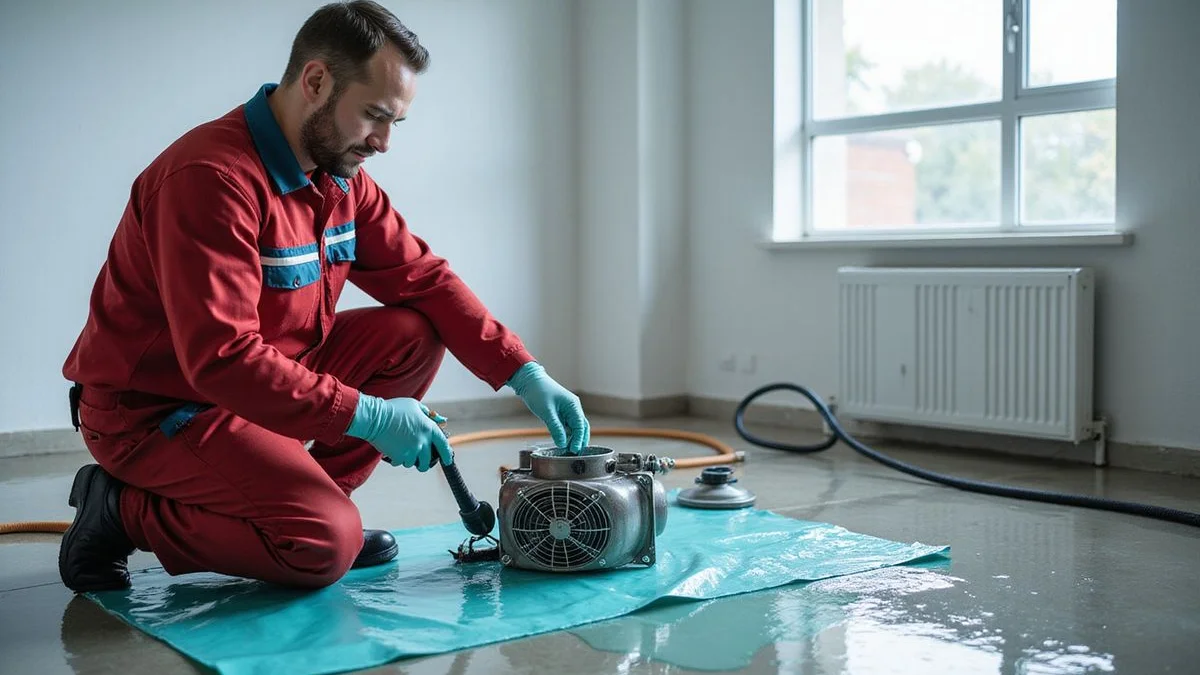
Singapore HVAC marketing materials frequently throw around the term “chemical wash” without much explanation. Homeowners routinely ask exactly what is aircon chemical wash when comparing these options.
Some providers mean a quick chemical spray, while others perform a full dismantle and soak. The difference matters significantly because prices and outcomes vary greatly.
We established Coolbest Aircon Servicing to deliver reliable, high-quality cooling solutions to communities across Singapore at affordable prices. A 2023 study found that just a 0.02-inch dust layer on an evaporator coil reduces heat transfer efficiency by 15%.
Restoring this lost efficiency is crucial for your energy bills.
What is aircon chemical wash in plain terms?
A chemical wash is a complete dismantling and deep cleaning of your aircon using an alkaline-based solution to remove stubborn dirt, mould, and biofilm. It serves as the ultimate reset button for a neglected indoor unit. Unlike standard servicing, this process cleans the system from the clean metal outwards.
We use alkaline-based cleaners because they dissolve organic buildup safely without corroding the delicate aluminium fins. Using cheap acidic solutions can permanently damage the evaporator coil and cause expensive refrigerant leaks.
You need this service when normal cleaning cannot reach the compacted biofilm inside. Key indicators for a chemical wash include:
- Visible black mould near the louvres
- A persistent sour or musty smell
- Slimy, jelly-like buildup in the drainage
- Units older than three years lacking a previous overhaul
Our technicians highly recommend this deep clean to eliminate health hazards. The US Department of Energy states that a dirty coil can increase energy consumption by 30%.
What is the four-step sequence?
Every Coolbest chemical wash follows a strict and proven sequence. This consistent approach ensures the thorough removal of every hidden contaminant.
1. Dismantle
The indoor unit comes apart down to its individual component pieces. This exposes the front fascia, filters, evaporator coil, blower wheel, and drainage tray.
This crucial step determines the safety and success of the entire service. Careless dismantling bends the heat-transfer fins and snaps delicate plastic clips.
Our technicians undergo specific training for each brand’s unique assembly quirks. For instance, Daikin locking clips require a completely different release technique compared to Mitsubishi Starmex or Panasonic models.
2. Soak in chemical solution
The dismantled components go into a soaking tray filled with a calibrated alkaline chemical solution. This step targets the stubborn grime that water alone cannot shift.
The specific chemistry of the soak achieves several vital results:
- Dissolves thick oxide layers built up on the aluminium coil
- Breaks down bacterial biofilm growing in warm, humid areas
- Lifts embedded dust that regular filter cleaning misses
- Neutralises harmful mould spores causing musty odours
We typically soak the parts for 20 to 30 minutes, depending on the severity of the fouling. The alkaline formula protects the metal while aggressively attacking the dirt.
3. High-pressure water jet
We flush the components with a high-pressure water jet after the soak. Surface spray cleaning lacks the force needed to strip embedded biofilm from the chassis.
Only a dedicated pressure jet effectively removes the loosened contaminants. The technician angles the jet parallel to the coil fins to avoid bending them.
Our team knows this precise angle prevents permanent damage to the heat-transfer area. A damaged coil restricts airflow and severely drops your system’s cooling efficiency.
4. Reassemble and commission
We dry all parts thoroughly before carefully reassembling the unit in reverse order. Replacing worn insulation trim prevents future condensation issues.
A full cooling test ensures the unit operates efficiently before the technician leaves your property. The technician confirms proper drainage flow by pouring water directly through the tray.
This final test prevents the dreaded downstairs water leak. Blocked drainage pipes frequently cause intense neighbourly disputes in Singapore condos.
Who typically needs a chemical wash?
Not every unit requires a full chemical wash. Standard servicing often suffices for well-maintained systems.
Living in Singapore means dealing with year-round humidity levels exceeding 80 percent. This tropical climate creates the perfect breeding ground for mould and biofilm inside your HVAC system.
We evaluate your specific situation based on four critical criteria:
- Age: Units running for over three years without a deep clean
- Symptoms: Mouldy smells, sour odours, water leaks, or persistent cooling loss
- Usage: Living room systems running for 10 or more hours per day
- Environment: Homes with heavy cooking fumes, shedding pets, or smokers
Mould spores from a dirty aircon can aggravate asthma and trigger allergic reactions. A 2025 report by Healthy Air Co highlighted that dirty HVAC systems actively contribute to sick building syndrome.
Our priority is to restore both your cooling efficiency and your indoor air quality.
How does a chemical wash fit into your service plan?
A chemical wash serves as a periodic reset rather than a replacement for routine care. It directly complements your standard servicing schedule.
Maintaining a healthy cadence prevents massive dirt buildup and extends the lifespan of your unit. We recommend a specific maintenance timeline for the typical Singapore household.
Following this schedule keeps the accessible parts clean while periodically tackling the hidden internal fouling.
| Maintenance Type | Frequency | Action Required |
|---|---|---|
| DIY Cleaning | Monthly | Rinse the removable front filters with warm water. |
| Standard Servicing | Every 3 to 6 months | Professional surface clean, vacuuming, and basic flush. |
| Chemical Wash | Every 1 to 2 years | Full dismantle, alkaline soak, and high-pressure jet reset. |
A proper service schedule saves you money by preventing major breakdowns. Newer R32 refrigerant systems from 2026 demand clean coils to hit their top energy efficiency targets.
Our service plans adapt to your specific usage patterns and equipment age.
Ready to book?
If you suspect your system requires a deep clean, contact us today for a professional assessment. Send a photo of your unit’s front vent area or a short video via WhatsApp.
Our technicians will evaluate the visible symptoms honestly and transparently. A quick visual check helps us determine the best course of action.
We will tell you immediately whether standard servicing is enough. Delaying maintenance only forces your compressor to work harder and drives up your electricity bills.
If you are still wondering what is aircon chemical wash and whether your unit needs one, see full details on our chemical wash service page.
Part of the Aircon Chemical Wash guide hub
← Back to the main Aircon Chemical Wash pageQuestions Answered
Frequently Asked Questions
Is chemical wash safe for my aircon?
Yes, when performed by trained technicians using the right chemical concentration and rinsing technique. The solution is designed specifically for aluminium aircon coils and common plastic components. Risk comes from inexperienced handling — over-strong solution or poor rinsing can corrode the coil.
Will chemical wash damage the coil?
A proper chemical wash protects and extends coil life by removing corrosive biofilm. The biofilm itself is what damages coils over time — removing it buys you more years of efficient cooling, not fewer.
How long does a chemical wash take?
Typically 90–120 minutes per fan coil unit, compared to 30–45 minutes for standard servicing. The extra time goes into dismantling, soaking, high-pressure flushing, and reassembly.
 LICENSED
 About the Author
Mr Chong
Founder & Licensed HVAC Technician, Coolbest Aircon
Mr Chong founded Coolbest Aircon in Jurong after more than 18 years in Singapore’s HVAC industry. He started as an apprentice technician on HDB rooftops, moved into commercial chiller work, then built Coolbest to offer honest, diagnostics-first aircon servicing across the West. He holds a BCA-licensed contractor registration, NEA-certified refrigerant handler status, and personally trains every technician on the team. Mr Chong writes these guides to answer the same questions he hears on every job call.
Related Guides
Chemical Wash vs Normal Aircon Servicing
Side-by-side comparison of standard aircon servicing vs chemical wash: scope, price, when each is appropriate. Clear guidance from Coolbest Aircon Singapore.
Read guide →Signs Your Aircon Needs a Chemical Wash
Mouldy smell, slime at the drainage, black spots on the blower, weak cooling after normal servicing — the symptoms that mean chemical wash, not a regular service.
Read guide →How Often Should You Do a Chemical Overhaul?
Chemical overhaul cadence in Singapore's tropical climate: every 1–2 years for heavy use, longer for light use. What factors shift the timing.
Read guide →Ready for cool, clean air — today?
Chat with Coolbest on WhatsApp for same-day aircon service in the West.